ESP – ENG
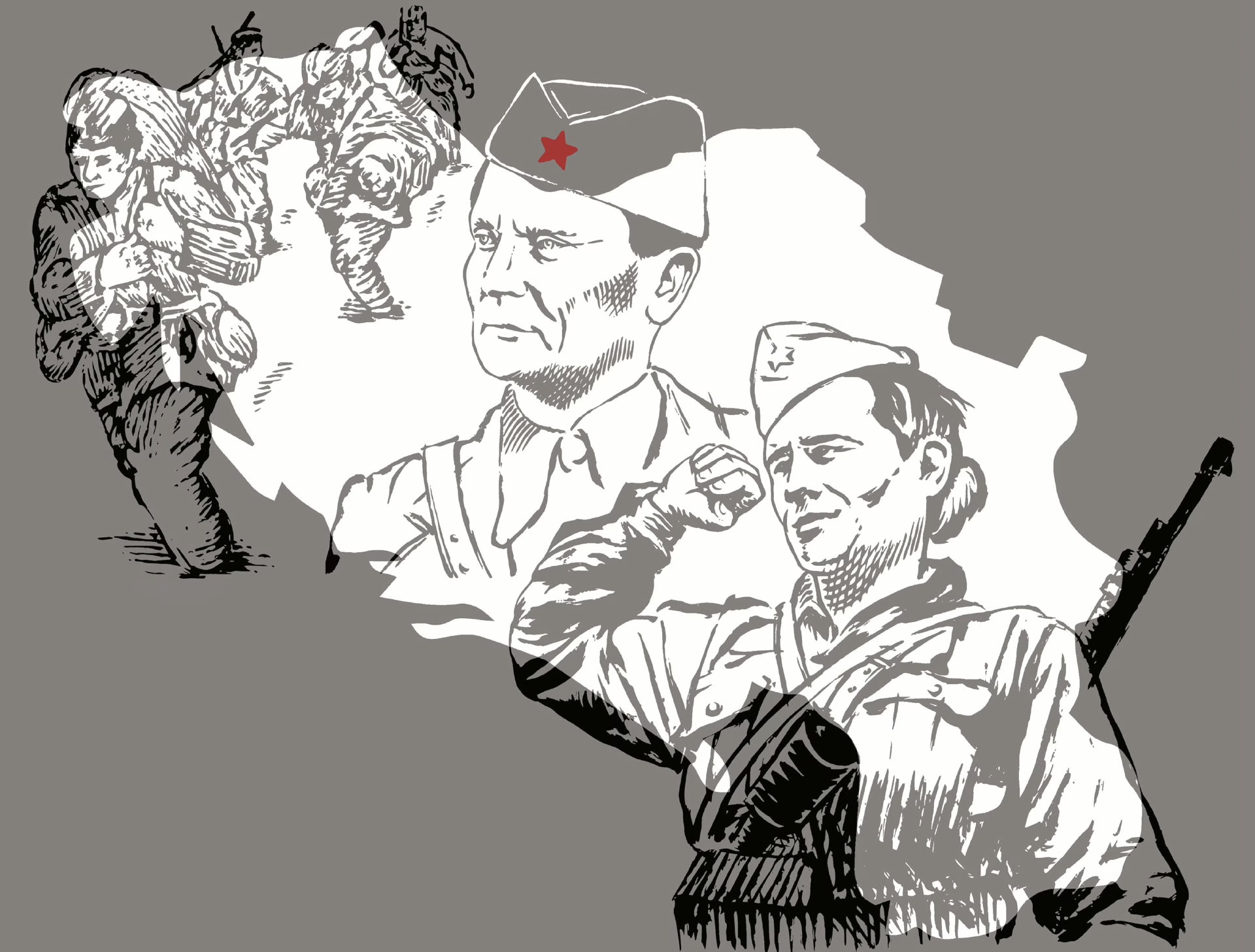
On November 29, 1945, the Federal People’s Republic of Yugoslavia was proclaimed, formally ending the monarchy in the Balkans and ushering in a new era of progress and social justice.
The new nation was forged in the anti-fascist resistance against Nazi occupation during World War II. The communist partisans, led by Josip Broz “Tito,” established liberated territories and created a pan-Yugoslav identity to unite the different peoples.
After the war, elections were held on November 11, 1945, in which Tito’s People’s Front won overwhelming support. The result was the establishment of a constituent assembly and the proclamation of a federal republic.
Yugoslavia, later as a Socialist Federal Republic, was a socialist experiment with its own interesting characteristics. In addition to achieving rapid progress in areas such as education and health, it also introduced models of worker self-management in its industries.
Internationally, the country pursued an independent foreign policy and was an important driving force behind the Non-Aligned Movement. Yugoslavia was also characterized by international solidarity, supporting anti-colonial and national liberation movements.
Beginning in the 1980s, Tito’s death, economic difficulties, and ethnic conflicts would lead to the end of Yugoslavia, which split into six independent republics.
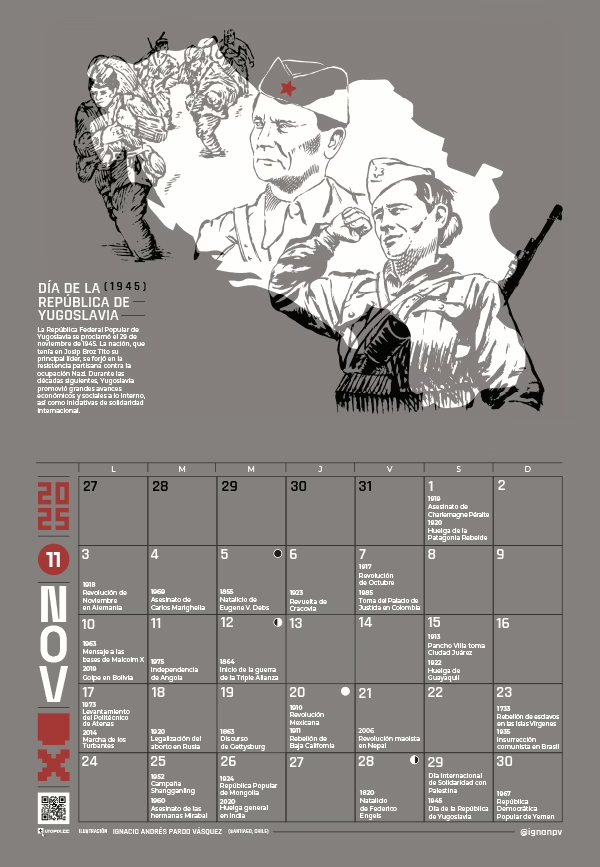
Click here to download the printable version of the calendar and hang it on your wall.
Text: Ricardo Vaz. Illustration: Ignacio Andrés Pardo Vásquez.