ESP – ENG
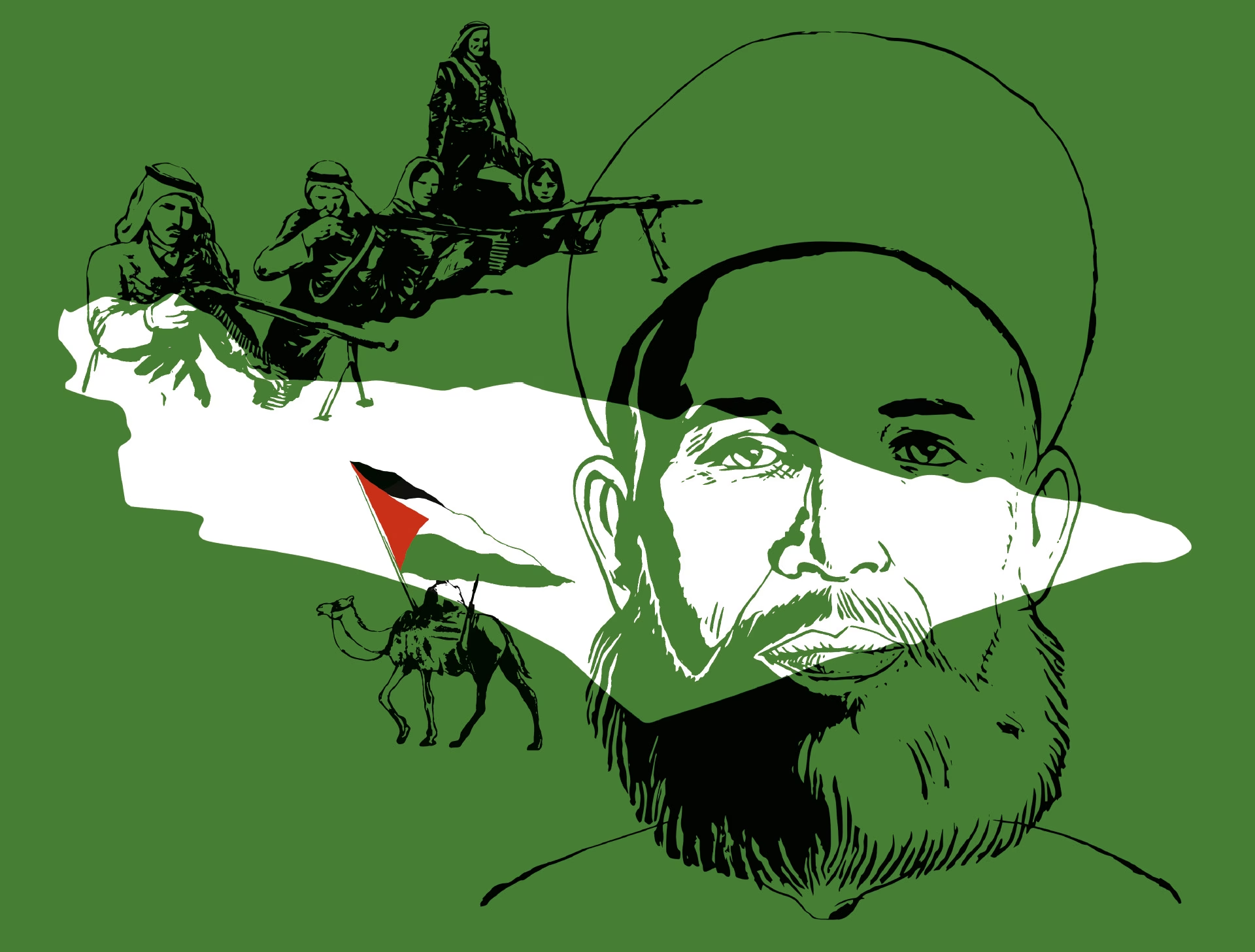
In April 1936, the Palestinian people launched a large-scale uprising to fight for independence from the United Kingdom amid a growing expansion of zionism.
The Balfour Declaration of 1917 accelerated the coordinated Jewish migration into Mandatory Palestine, with full complicity from British colonial authorities. Increasingly pushed out of the land and exploited in urban centers while watching zionist settlements grow and grow, the local population erupted.
Over the next three years, Palestinians organized labor strikes, political protests, and attacks against colonial forces. Hajj Amin al-Husseini, Grand Mufti of Jerusalem and leader of the Arab Higher Committee, was one of the main figures in the revolt.
British forces, allied with paramilitary zionist militias, responded with brutal repression and terror, often reducing entire villages to rubble or arbitrarily confiscating all the land as collective punishment. Historical records showed more than 5,000 Palestinians killed and nearly 15,000 wounded.
The Arab Revolt ultimately failed to advance the Palestinian independence cause. It was marred by internal divisions, while Arab state rulers also did everything possible to stifle the anti-colonialist struggle.
The defeat, alongside the exile of important leaders and the growing influence of zionist militias, would become an important precedent for the 1948 Nakba.
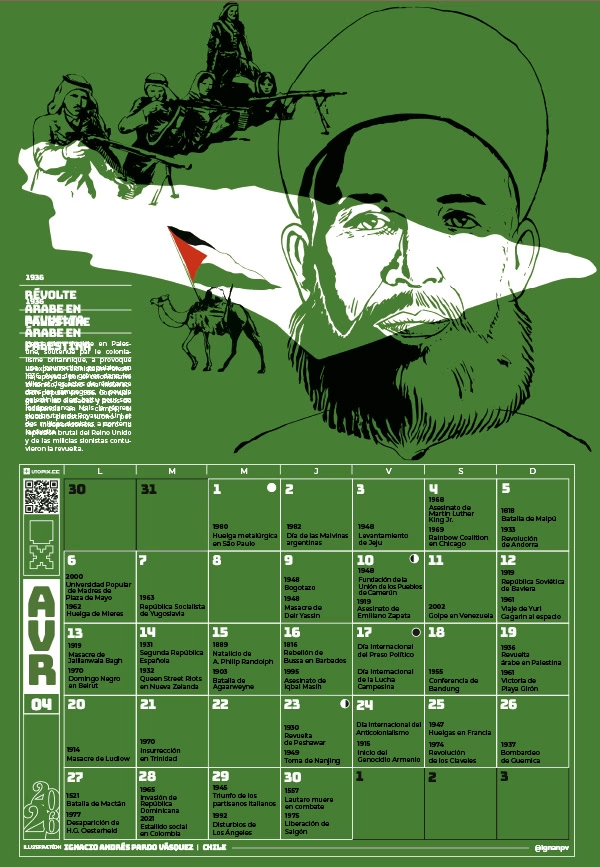
Click here to download the printable version of the calendar and hang it on your wall.
Text: Ricardo Vaz. Illustration: Ignacio Andrés Pardo Vásquez.
Pingback: Revuelta Árabe en Palestina - Utopix