ESP – ENG
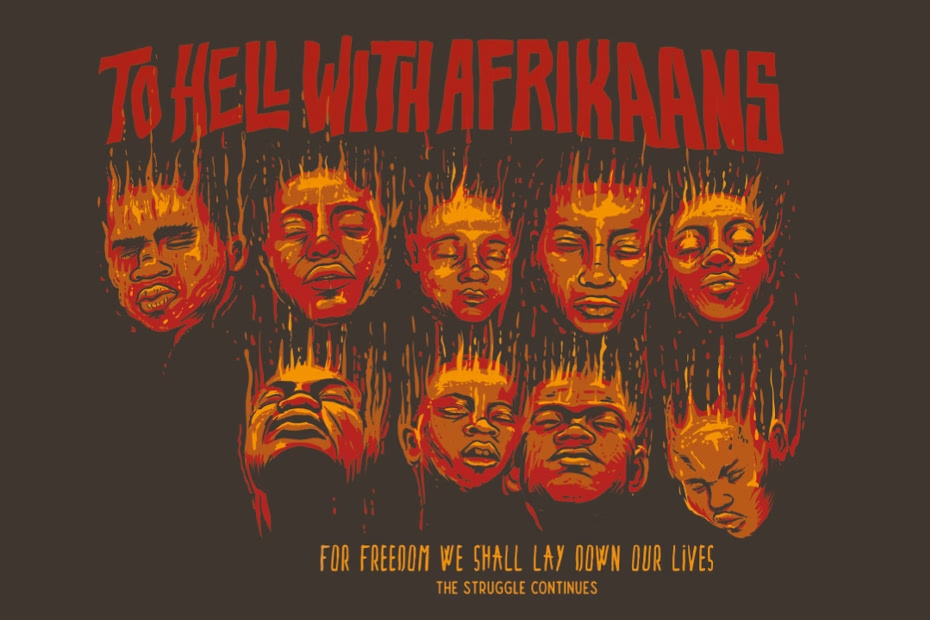
The Soweto uprising of 1976 was a key episode that exposed the cruelty and illegitimacy of the apartheid regime in South Africa and helped accelerate its downfall.
In a context of deep inequality and discrimination, the South African government’s decision to impose the learning of Afrikaans in schools was a tipping point.
On June 16, 1976, as many as 20,000 black high school students walked out of schools in Soweto, Johannesburg, to protest against the measure in a coordinated fashion. The police responded swiftly and fired indiscriminately at the student crowds, killing dozens.
The protests against the South African government quickly spread and grew all around the country. Unrest continued for months, with police repression leaving more than 700 people dead by February 1977.
The Soweto uprising deepened the instability of the apartheid regime and its growing isolation on the international stage. The growing resistance, coupled with defeat in the war in Angola, would ultimately trigger its downfall more than a decade later.
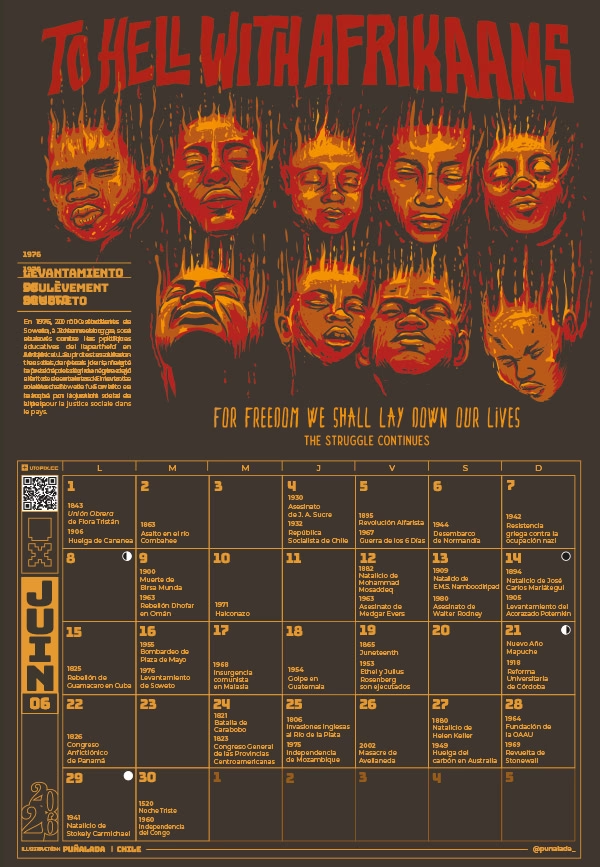
Click here to download the printable version of the calendar and hang it on your wall.
Text: Ricardo Vaz. Illustration: Puñalada.